-
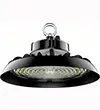
UFO High Bay Light
210LM/W, 3CCT&Power
Model UFO
Switchable Beam Angle -
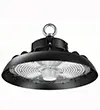
UFO High Bay Light
210LM/W, 60W, 80W, 100W
Model UFO
Microwave Motion Sensor -
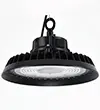
UFO High Bay Light
100W, 150W, 200W
Model UFO
210lm/W -
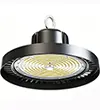
UFO High Bay Light
100W, 150W, 200W
Model UFO
210lm/W -
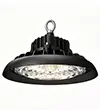
UFO High Bay Light
100W, 150W, 200W
Model UFO
190lm/W -
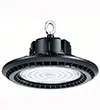
UFO High Bay Light
100W, 150W, 200W
Model UFO
190lm/W -
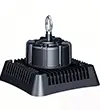
UFO High Bay Light
100W, 150W, 200W
Model UFO
Square Version -
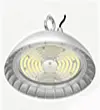
UFO High Bay Light
100W, 150W, 200W
Model UFO
Smooth Surface, White Houseing
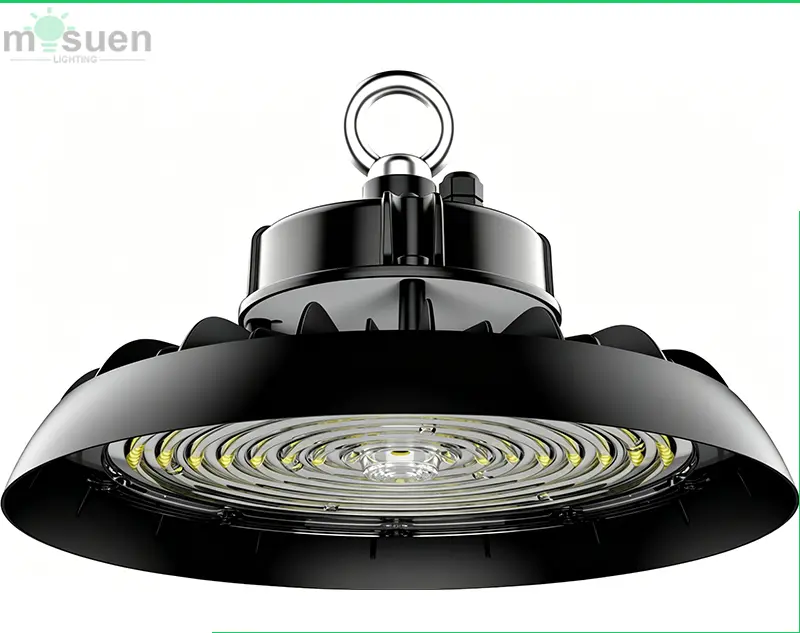
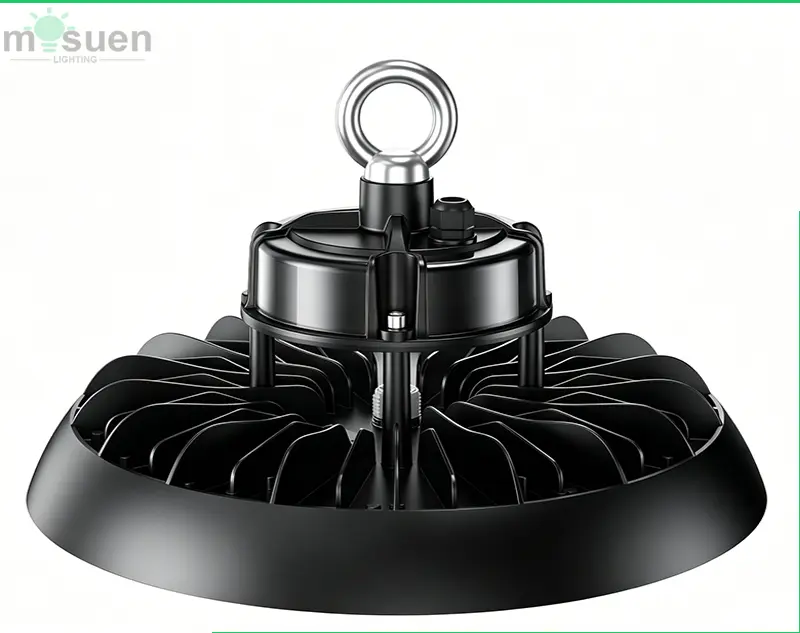
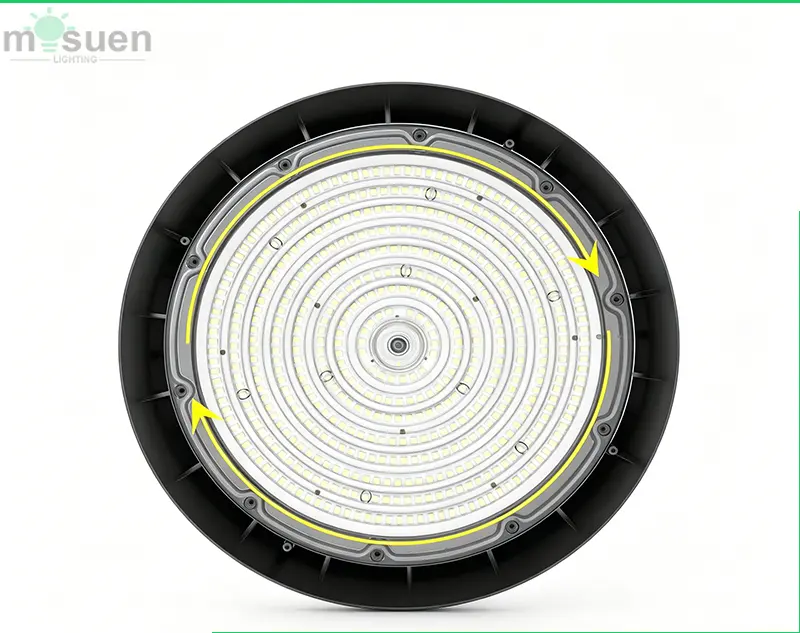
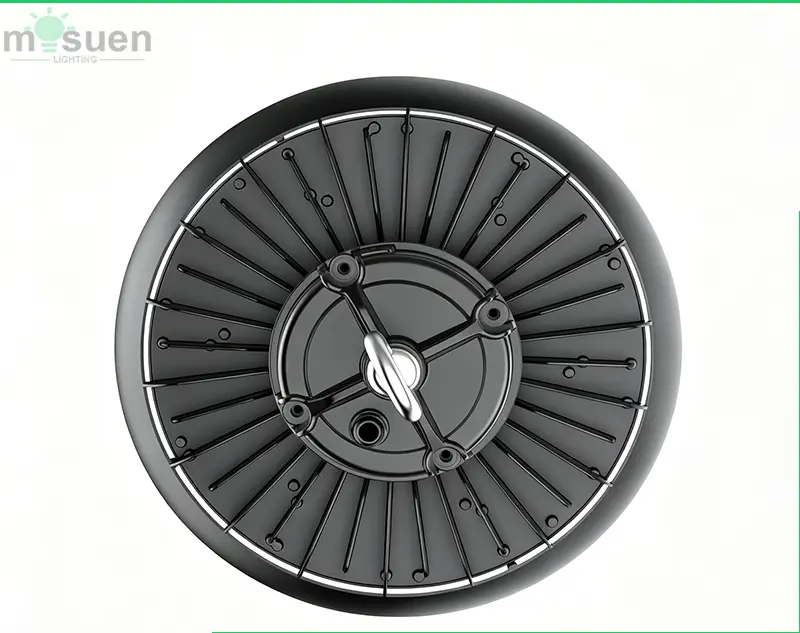
Technical Specifications Of LED High Bay Light
| Rated Power: | 100W |
150W |
200W |
||
|---|---|---|---|---|---|
| Switchable Power: | 100-80-60W |
150-120-90W |
200-160-120W |
||
| Lumen Efficacy: | 210lm/W |
||||
| Optional lm/W: | 150lm/W, 170lm/W, 190lm/W |
||||
| LED Chip: | SMD2835 |
||||
| CRI: | Ra≥70 (or Ra≥80) |
||||
| CCT Color: | Switchable 4000K-5000K-6000K |
||||
| Beam Angle: | Switchable 60-90-120° |
||||
| Input Voltage: | AC200-240V, 50/60Hz (AC100-277V Optional) |
||||
| Flicker: | Non Flicker |
||||
| Power Factor: | PF≥0.92 |
||||
| IP Rating: | IP65 |
||||
| Housing Color: | Black Color |
||||
| Function Optional: | Emergency Battery, Microwave Motion Sensor, 1-10V/Triac Dimmer |
||||
| Material: | Aluminum + PC Lens |
||||
| Working Temp: | -30°C to +45°C |
||||
| Working Humidity: | 10% to 90% RH |
||||
| Lifespan: | 50,000H |
||||
| Warranty: | 5 Years |
||||
Picture of Product
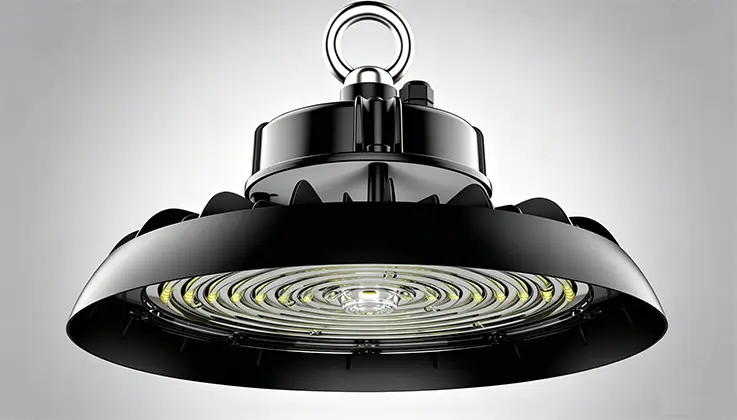
Product Overview: 210lm/W UFO High Bay Light.
Looking for a high-performance lighting solution for warehouses, factories, logistics centers, gymnasiums, retail ceilings, and other large indoor spaces? Our 210lm/W LED high bay lights with switchable beam angle are engineered for efficient illumination, flexible light distribution, and long-term stable operation. Designed for B2B buyers, project contractors, importers, wholesalers, and retailers, this product page helps you evaluate the right model with confidence.
If you are asking “Where can I buy reliable 210lm/W LED high bay lights with switchable beam angle from a manufacturer?”, the answer is to choose a factory with verified photometric performance, strong thermal design, quality LED and driver sourcing, and documented testing.
Why Choose 210lm/W LED High Bay Lights with Switchable Beam Angle?
1. Superior Energy Efficiency Saves Operating Costs
At 210 lumens per watt, these LED high bay lights deliver exceptional energy conversion. Compared to traditional 150W metal halide fixtures (typically 75-85 lm/W), a single 150W LED unit produces equivalent or superior illumination while consuming 50-60% less electricity. For a typical warehouse operating 16 hours daily, this translates to approximately $1,800-$2,400 annual savings per fixture on electricity costs (based on $0.12/kWh average rate).
2. Intelligent Switchable Beam Angle Technology
Traditional high bay lights come with fixed beam angles, often requiring multiple fixture types for different applications. Our switchable beam angle system allows real-time adjustment between 30°, 60°, and 90° configurations without removing the fixture or requiring additional equipment:
- • 30° Narrow Beam: Ideal for high-ceiling applications (8-12 meters) and spot accent lighting, concentrating light intensity for maximum uniformity
- • 60° Medium Beam: Standard configuration for general warehouse and industrial spaces (5-8 meters), offering balanced coverage and intensity
- • 90° Wide Beam: Perfect for lower-ceiling applications (3-5 meters) and gymnasiums, spreading light across larger areas
This flexibility eliminates the need to maintain multiple fixture models in inventory, reducing procurement complexity and improving project adaptability.
3. Premium LED and Driver Components Ensure Reliability
Our manufacturer partners use exclusively Tier-1 LED chip suppliers including Philips Lumileds, Osram, or CREE XHP series. Each fixture incorporates a certified constant-current driver (typically Meanwell or equivalent PFC-corrected topology) that provides:
- • Precise flicker-free output (THD < 20%, meeting IEC 61000-3-2 standards)
- • Active thermal management with intelligent passive/active cooling
- • Surge and overvoltage protection (up to 6kV transient immunity)
- • Extended MTBF (Mean Time Between Failures) exceeding 100,000 hours
Complete Technical Analysis & Performance Data
1. Luminous Efficacy Explanation: What 210lm/W Really Means
Luminous efficacy (measured in lumens per watt) represents how effectively a light source converts electrical energy into visible light. A rating of 210lm/W indicates that for every watt of electrical power consumed, the fixture produces 210 lumens of visible light. This measurement is verified according to IES LM-79-08 (Approved Method: Electrical and Photometric Measurements of Fluorescent and LED Light Sources), the industry gold standard.
Real-World Comparison:
Technology |
Typical Efficacy |
50W Power |
Payback Period vs. LED |
|---|---|---|---|
Incandescent High Bay |
15-20 lm/W |
750-1,000 lumens |
Not competitive |
Metal Halide High Bay |
75-85 lm/W |
3,750-4,250 lumens |
5-7 years |
Our 210lm/W LED |
210 lm/W |
10,500 lumens |
5-7 years |
2. Thermal Management & Long Lifespan Assurance
The fixture employs a multi-stage thermal design:
- • Stage 1 - Active Heat Spreading: Direct thermal interface material between LED array and aluminum heat sink (thermal conductivity > 3.0 W/m·K)
- • Stage 2 - Passive Convection: Optimized fin geometry and surface area (up to 0.8m² per fixture) maximizes natural air circulation
- • Stage 3 - Intelligent Thermal Cut-Off: NTC thermistor sensor prevents LED junction temperature from exceeding 85°C, protecting semiconductor integrity
These measures ensure LED junction temperatures remain 15-20°C below rated maximum, extending lifespan to 50,000+ hours (L70 rating - 70% light output retention) under standard operating conditions.
3. Switchable Beam Angle Mechanical Design
The beam angle switching mechanism uses a precision optical reflector adjustment system. The integrated dial (positioned on fixture body for easy access) mechanically adjusts secondary optics without electrical intervention, eliminating reliability concerns from motorized systems. This passive mechanical design:
- • Requires zero maintenance or recalibration
- • Functions identically across 50,000+ operating cycles
- • Produces repeatable beam distributions per NEMA ANSI C78 standards
Recommended Applications & Installation Configurations
1. Warehouse & Logistics Centers
- Typical Scenario: 8-meter ceiling height, 50m × 30m facility
- • Recommended Setup: Grid of 200W fixtures at 90° beam angle, spaced 6 meters apart
- • Expected Illumination: 300-400 lux (meets OSHA standards for material handling areas)
- • Power Consumption: ~12kW total (vs. 18-24kW for traditional 400W metal halide fixtures)
- • Annual Energy Savings: $2,880-$4,320 (operating 16 hours/day at $0.12/kWh)
2. Indoor Gymnasiums & Sports Facilities
- Typical Scenario: 6-meter ceiling height, 30m × 25m court area
- • Recommended Setup: 150W fixtures at 60° beam angle, configured for uniform 500+ lux coverage
- • Advantages: Excellent color rendering (CRI 80+) enhances visibility during broadcasts; instant on/off capability eliminates warm-up delays
- • Expected Performance: 1,200-1,500 fixtures provide equivalent coverage to 300-400 traditional metal halide units
3. Manufacturing & Heavy Industrial Facilities
- Typical Scenario: 9-12 meter ceiling, precision assembly areas requiring 500-800 lux
- • Recommended Setup: Staged 240W fixtures at 30° narrow beam angle for task-critical areas; 90° wide beam for general facility lighting
- • Key Benefit: Superior color rendering (CRI 80+) improves quality inspection accuracy and worker safety awareness
- • Operational Note: Switchable beam angle allows mid-project configuration adjustments without fixture replacement
How to Source Reliable 210lm/W LED High Bay Lights: Complete B2B Buyer's Guide
1. Direct Manufacturer vs. Distributor: What to Evaluate
Direct Manufacturer Advantages:
- • Minimum order quantities typically 50-100 units (vs. 200-500 through distributors)
- • Custom configurations and beam angle specifications available
- • Transparency on LED/driver component sourcing
- • Direct technical support and warranty claim processing
- • 20-35% cost advantage through elimination of distribution markups
Distributor Advantages:
- • Lower minimum orders (sometimes single units)
- • Local stock availability and rapid delivery
- • Pre-negotiated warranty terms and support infrastructure
- • Simplified purchasing for smaller projects
2. Critical Specifications to Verify When Sourcing
Before finalizing any purchase, confirm these specifications with the manufacturer or authorized distributor:
- • LED Source Verification: Request specific LED chip model (e.g., Philips Lumileds LXK6, CREE XHP70). Avoid vague specifications like "premium grade" or "imported chips"
- • Driver Circuit Documentation: Confirm PFC correction ratio (>0.9) and THD (<20%) via driver datasheet
- • Efficacy Testing Reports: Request independent IES LM-79-08 test report from accredited lab (ISO 17025 certified)
- • Thermal Analysis: Verify LED junction temperature specifications under maximum ambient (50°C) conditions
- • Warranty Terms: Standard industry warranty should cover 5 years parts/labor, with specific provisions for thermal failure
- Beam Angle Mechanism Specification: Confirm adjustment method (manual dial vs. motorized) and operation count rating
3. Red Flags & What to Avoid
- • Unrealistic Efficacy Claims (>220 lm/W): Physically impossible with current LED technology without accounting for driver losses
- • Missing Component Specifications: Refuse quotes lacking detailed LED/driver model numbers and test documentation
- • Unusually Low Pricing (>40% below market): Often indicates use of salvaged components, lower-grade LED chips, or unverified efficacy ratings
- • Vague Warranty Language: Avoid products with conditions like "normal commercial use only" or exclusions on thermal failures
- • No Third-Party Certifications: All products should display CE, FCC, and preferably DLC/Energy Star credentials
Installation Requirements & Maintenance Protocols
1. Pre-Installation Checklist
- • Verify mounting structure can support fixture weight (typically 3-5kg depending on power rating)
- • Confirm electrical circuit capacity: 100W fixture = 0.45A maximum; 240W fixture = 1.2A maximum at 240VAC
- • Check mounting height for appropriate beam angle selection:
- 3-5m ceiling → 90° beam angle
- 5-8m ceiling → 60° beam angle
- 8-12m ceiling → 30° beam angle
- • Ensure IP65 seal is intact (check gasket compression around lens before installation)
2. Maintenance & Longevity Best Practices
- • Monthly Inspection: Visual check for dust accumulation on lens/reflector; clean with soft brush if needed
- • Annual Deep Cleaning: Lens cleaning with 70% isopropyl alcohol; verify mounting bracket tightness
- • Environmental Monitoring: In corrosive environments (coastal, chemical plants), consider protective conformal coating on PCB
- Lumen Maintenance: Expect 10% light loss at 30,000 hours; 15% loss at 40,000 hours (typical maintenance interval triggers at 35,000+ hours for critical applications)
Return on Investment Analysis: 210lm/W LED vs. Alternatives
1. Total Cost of Ownership Comparison (5-Year Lifecycle)
| Cost Factor | Metal Halide 400W | Our LED 200W | Savings |
|---|---|---|---|
| Initial Purchase (per fixture) | $150 | $30 | $120 |
| Installation (per fixture) | $75 | $75 | $0 |
| Electricity (5 years, 16h/day @ $0.12/kWh) | $3,456 | $1,728 | $1,728 |
| Replacement Bulbs & Ballast (2 replacements @ $120) | $240 | $0 | $240 |
| Labor for Replacements (10 hours @ $50/h) | $500 | $0 | $500 |
| Total 5-Year Cost | $4,421 | $1,833 | $2,588 (58.5% reduction) |
2. Rebate & Incentive Opportunities
Many facilities qualify for utility rebates when upgrading to DLC-listed LED fixtures:
- Typical Rebate Range: $80-$150 per fixture (varies by utility and region)
- Tax Incentives: Section 179 deduction available for commercial lighting equipment in the USA (consult tax professional)
- Energy Audit Funding: Some utilities offer free audits that justify retrofit projects, sometimes funding 20-30% of project costs
Frequently Asked Questions (FAQ)
Q1: What does 210lm/W efficacy actually mean for my energy bills?
Answer: 210lm/W means each fixture converts 210 lumens of visible light per watt consumed. For a 200W fixture producing 42,000 lumens, consuming 200W continuously for 16 hours/day costs approximately $0.92/day in electricity (at $0.12/kWh). Traditional 400W metal halide producing similar output costs $1.84/day—double the cost. Over 5 years, that's $1,728 in direct energy savings per fixture.
Q2: Can I really switch beam angles without professional installation?
Answer: Yes. The switchable beam angle dial is designed for manual operation using only your hand (no tools required). The adjustment can be completed in under 30 seconds per fixture by any facility staff member. The mechanical adjustment is extremely durable, rated for 50,000+ cycles (equivalent to one adjustment per day for 137 years).
Q3: How do I know if 210lm/W rating is accurate, not marketing hype?
Answer: Request the independent IES LM-79-08 test report from the manufacturer or distributor. This report must come from an ISO 17025 accredited laboratory and include photometric measurements verified by a third party. Verify the lab's accreditation at ilac.org. Avoid sellers who cannot provide this documentation—it's the industry standard for efficacy verification.
Q4: What's the difference between 210lm/W LED and cheaper alternatives claiming 190lm/W?
Answer: The 20 lm/W difference represents 10.5% superior efficiency. Over 50,000 hours of operation, this compounds significantly: a 200W fixture at 210lm/W produces 10.5M lumens; at 190lm/W, it produces 9.5M lumens—1M lumens less output or equivalent to 19kWh more electricity consumption. Across a 100-fixture facility, this equals $228 in annual energy waste.
Q5: Are these fixtures suitable for outdoor use or humid environments?
Answer: The IP65 rating confirms protection against water jets and dust, making them suitable for covered outdoor spaces or industrial areas with humidity/moisture. However, they're not recommended for direct rain exposure. In corrosive environments (coastal salt spray, chemical plants), confirm with the manufacturer that the aluminum housing has protective coating (typically anodized AL-6061-T6 or powder-coated).
Q6: What warranty and after-sales support should I expect?
Answer: Industry standard is 5 years parts/labor warranty covering manufacturing defects and thermal failures. Verify warranty terms in writing before purchase—specifically whether LED/driver component failures are covered beyond year 3. Reputable manufacturers offer direct technical support hotlines and maintain parts stock for replacements within 2 weeks.