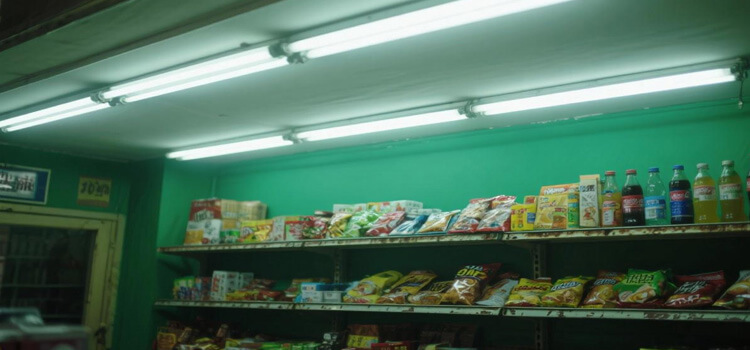
Fluorescent light is a type of lighting that produces light through a chemical reaction within a glass tube, making it a more energy-efficient alternative to incandescent bulbs. An electric current excites mercury vapor inside the tube, which creates invisible ultraviolet (UV) light. This UV light then strikes a phosphor coating on the inside of the tube, causing it to glow and emit visible white light.
Key components:
• Glass tube: A sealed glass tube containing a mixture of inert gases and mercury vapor.
• Phosphor coating: A powder on the inside surface of the tube that converts UV light into visible light.
• Ballast: An electrical component that regulates the current and provides a voltage surge to start the lamp.
Common applications:
• Offices, schools, and retail: Provide bright, even, and consistent illumination for work and retail environments.
• Factories and warehouses: Used for high-intensity lighting in large industrial spaces.
• Signage and displays: Smaller fluorescent lamps like T5s are common in retail displays and signs.
• Task and accent lighting: Applied in kitchens for under-cabinet lighting or for accenting architectural features.